David Reed · 1 September 2026
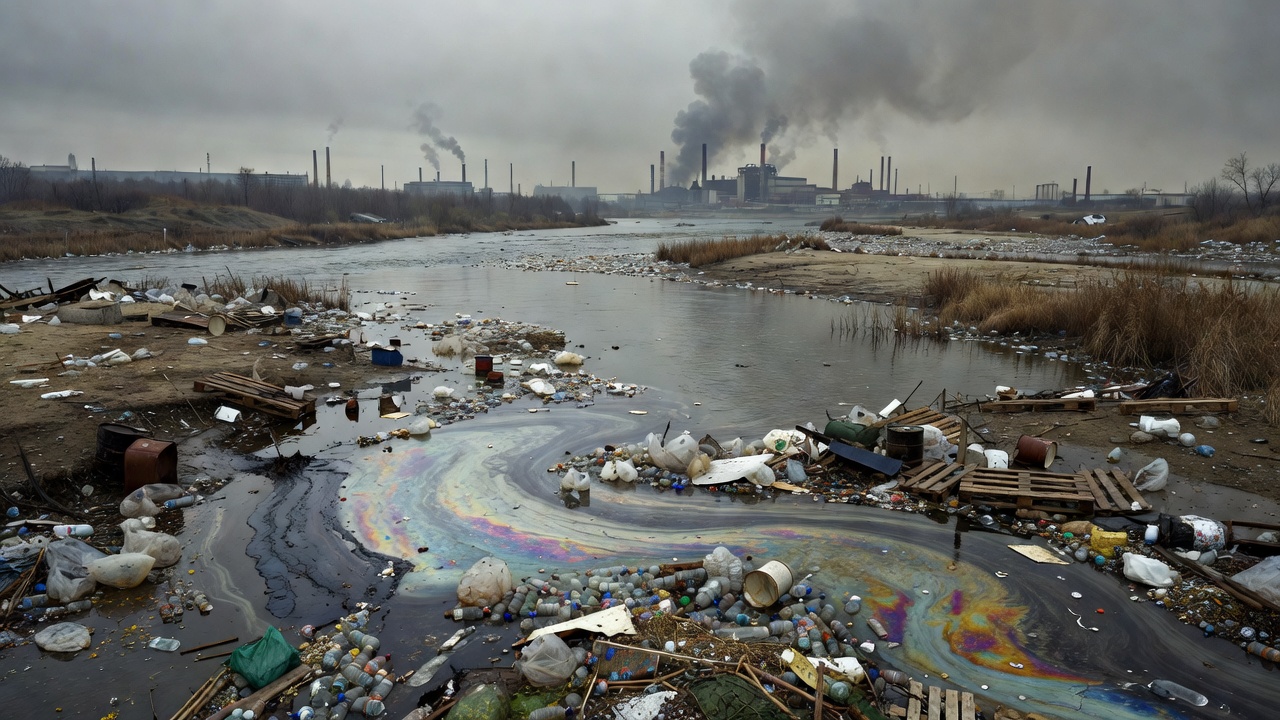
The Danuvia River Basin is experiencing a significant increase in pollution levels that threaten its delicate ecosystem and the well being of nearby populations. Data collected over the last five years shows a consistent upward trend in various pollutants including industrial chemicals and agricultural residues. This development has prompted calls for urgent intervention from environmental groups and local governments alike.
Key Factors Driving the Pollution Increase
Multiple factors contribute to the current state of the river. Manufacturing plants located in the basin release effluents without adequate treatment leading to accumulation of toxic substances in the sediment. Farming operations use large quantities of chemical inputs that leach into the water table and eventually reach the main river channel. Additionally population growth in urban centers has strained existing wastewater infrastructure resulting in overflows during peak periods. Research indicates that these combined pressures have raised the concentration of harmful elements by over thirty percent since two thousand eighteen. Efforts to mitigate these issues have been hampered by limited funding and regulatory enforcement gaps. Monitoring stations placed at strategic points along the river provide continuous readings but response times to detected spikes remain slow in some cases.
Effects on Environment and Human Activities
The consequences of rising pollution are multifaceted affecting both natural habitats and economic activities. Aquatic species diversity has declined with several fish varieties showing reduced reproduction rates due to contaminated spawning grounds. Birds and other animals that frequent the riverbanks are ingesting pollutants through their food chain leading to health complications. On the human side drinking water quality has deteriorated necessitating additional treatment costs for municipalities. Agricultural irrigation from the river introduces contaminants into crops raising concerns about food safety. Tourism revenue has dropped as scenic areas lose their appeal. Community leaders advocate for stricter laws and investment in green technologies to reverse the trend before irreversible damage occurs. Collaborative projects involving stakeholders from industry agriculture and conservation sectors are proposed to develop comprehensive management plans for the basin. International experts have been consulted to provide insights on successful river restoration cases from other regions that could be adapted to local conditions.