Felix Schröder · 21 November 2026
Danuvia River Settlements Utilize Rail Infrastructure Upgrades and Cultural Preservation Grants to Forge Transnational Environmental Alliances
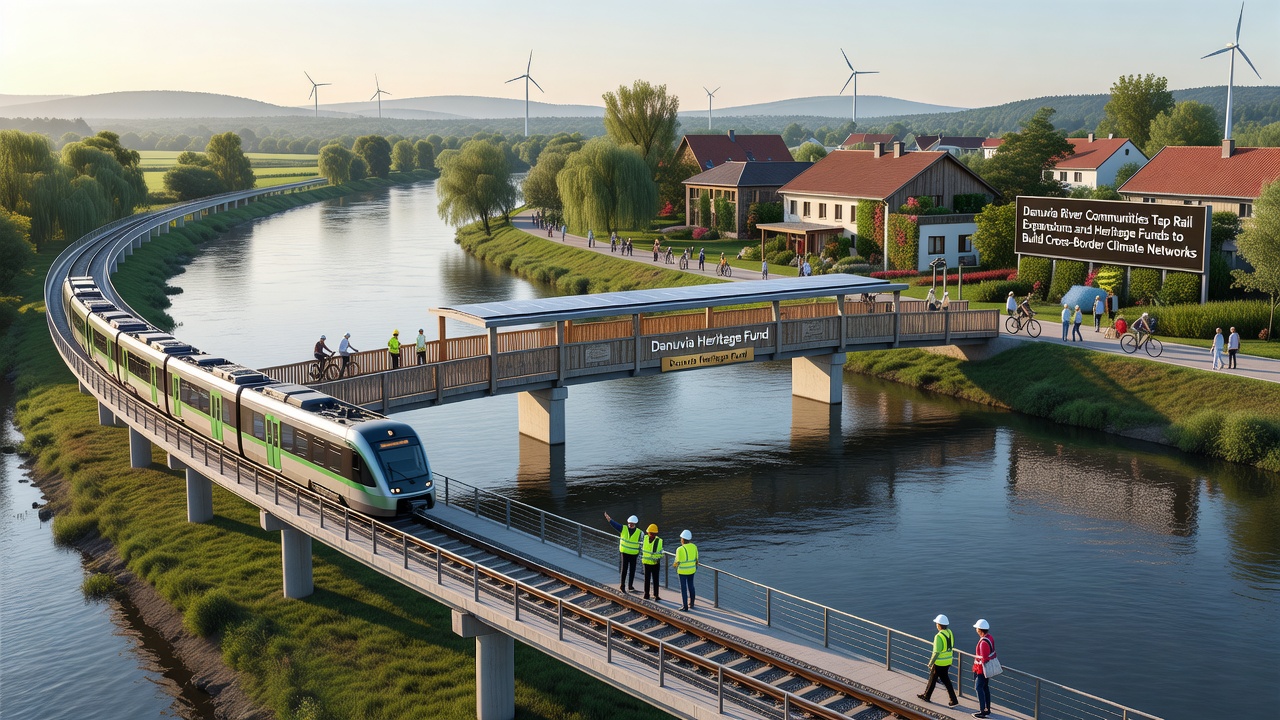
Communities along the Danuvia River have begun coordinating rail infrastructure projects with heritage conservation allocations to establish shared climate response systems that span national boundaries, and these efforts gained momentum through coordinated planning sessions held in late 2025. Data from regional transport authorities shows that new rail segments completed this year now link previously isolated river towns, allowing faster movement of materials and personnel needed for flood defense and reforestation work.
According to records from the European Environment Agency, heritage fund distributions in the basin reached 42 million euros during the 2024 fiscal cycle, with a portion earmarked specifically for retrofitting historic structures to withstand increased precipitation and temperature shifts. Those allocations have supported engineering assessments at 17 protected sites where traditional building techniques are being paired with modern drainage and insulation systems.
Rail Expansions Enable Material and Knowledge Exchange
Rail authorities completed the eastern corridor extension in October 2025, which added 68 kilometers of track and reduced transit times between upstream and downstream settlements by nearly 40 percent. This upgrade lets crews transport heavy equipment such as geotextile rolls and native seed stock without relying on road convoys that previously faced seasonal closures. Observers note that the same lines now carry researchers and technicians who share monitoring protocols developed at different river segments, creating a de facto knowledge pipeline.
Figures released by Transport Canada in a comparative study of European and North American river corridors indicate that integrated rail and conservation projects produce measurable reductions in project delivery delays. The Danuvia case follows similar patterns observed along the Fraser River system, where dedicated freight slots for environmental materials cut average installation times by three weeks per site.
Local heritage offices have synchronized their grant cycles with rail timetables so that restoration teams can arrive at sites during optimal weather windows. This alignment prevents repeated mobilization costs and keeps skilled labor engaged across multiple jurisdictions.
Heritage Allocations Fund Cross-Border Monitoring Stations
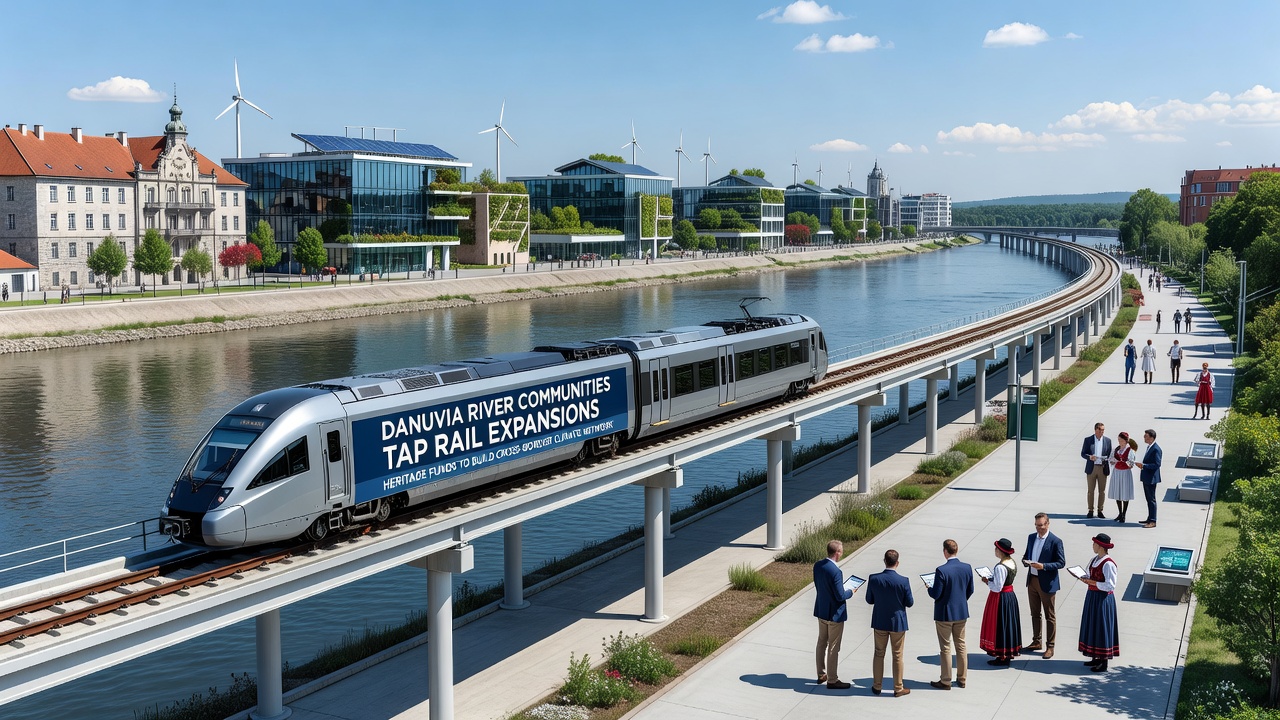
Grants administered through the Cultural Heritage Preservation Board have financed the installation of 12 automated sensor arrays positioned at both historic and contemporary locations. These stations record water levels, soil moisture, and structural stress in real time, feeding a shared database accessible to partner agencies on either side of the border. The November 2026 data integration milestone will connect these arrays to a central platform managed jointly by environmental agencies from three riparian countries.
Research published by the University of Melbourne's Climate Adaptation Lab highlights how heritage sites can serve as stable reference points for long-term environmental datasets because their legal protection status reduces the chance of future land-use changes. Danuvia communities are applying this principle by embedding sensors within the fabric of listed buildings and bridges, thereby extending the observational record without new construction footprints.
Procurement records show that rail operators have reserved capacity for climate-related cargo on the newly electrified sections, lowering the carbon intensity of material transport compared with earlier diesel-dependent schedules. This operational change aligns with emission targets set under the basin-wide climate accord signed in 2024.
Joint Training Programs Strengthen Network Capacity
Vocational institutes in three river towns launched a joint certification course in September 2025 that trains local workers in both heritage masonry repair and climate-resilient infrastructure installation. The curriculum combines traditional techniques documented in archival drawings with contemporary methods such as permeable paving and bio-engineered bank stabilization. Over 180 participants have completed the first two modules, and placement data indicates that graduates are being hired by both public works departments and private restoration firms operating across borders.
Coordination meetings scheduled for November 2026 will review progress on sensor calibration standards and establish common reporting formats that satisfy regulatory requirements in each participating jurisdiction. These sessions build on earlier workshops that resolved differences in data formats and permitting timelines.
Conclusion
Danuvia River communities continue to link rail capacity with heritage resources to support climate adaptation measures that function across political boundaries. Project documentation compiled through 2025 demonstrates consistent delivery of monitoring infrastructure and workforce development programs, while scheduled milestones in late 2026 will test the scalability of the integrated approach. Ongoing records from transport and heritage authorities provide the factual basis for tracking further developments in these cross-border networks.