Jordan Flores · 1 September 2026
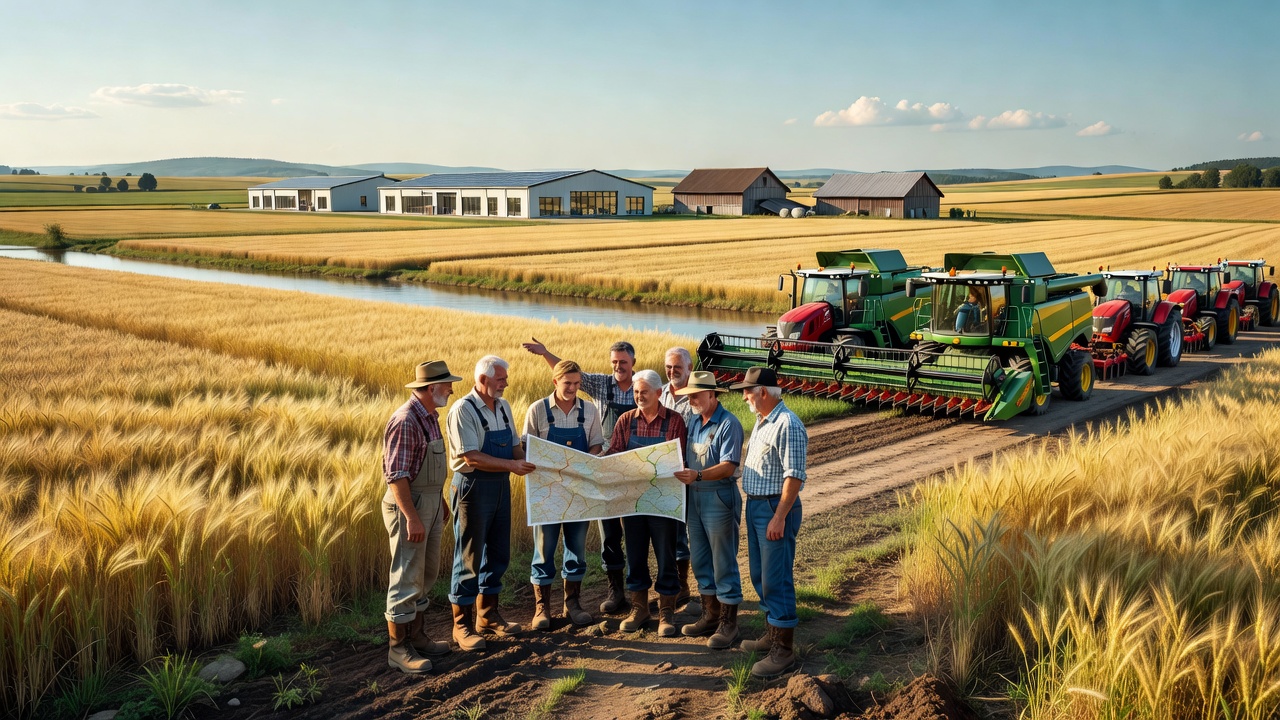
The European Union has allocated substantial subsidies to Danuvia's agriculture sector, resulting in measurable improvements in productivity and sustainability across the region. These funds, distributed through the Common Agricultural Policy, target modernization of farming practices and environmental protection measures. Local authorities report that over 120 million euros have been disbursed in the past year, supporting more than 850 farms in adopting advanced irrigation systems and precision agriculture technologies.
Key Benefits for Regional Farmers
Farmers in Danuvia have utilized the subsidies to upgrade equipment and implement crop rotation strategies that enhance soil health. Yields for staple crops such as wheat and barley have increased by an average of 15 percent compared to the previous season. Smallholder operations particularly benefit from grants covering up to 60 percent of costs for renewable energy installations on their properties. Employment in the sector has risen by 8 percent, with new positions created in machinery maintenance and data analysis roles. Environmental monitoring indicates a 12 percent reduction in water usage due to efficient drip irrigation funded by the program.
Training initiatives funded alongside the subsidies have equipped over 2,000 agricultural workers with skills in sustainable methods. Cooperatives have formed to pool resources for larger-scale projects, including shared storage facilities that reduce post-harvest losses. These developments contribute to greater food security within Danuvia while aligning with broader EU goals for climate resilience.
Long-Term Sector Outlook
Projections suggest continued growth as additional funding rounds are anticipated in the coming fiscal year. Emphasis on organic certification and biodiversity preservation is expected to open new export markets for Danuvia produce. Challenges remain in ensuring equitable distribution of resources among remote communities, yet ongoing evaluations show positive trends in overall sector competitiveness. The integration of digital tools for farm management further positions Danuvia agriculture for innovation-led expansion, fostering economic stability in rural areas.