David Reed · 1 September 2026
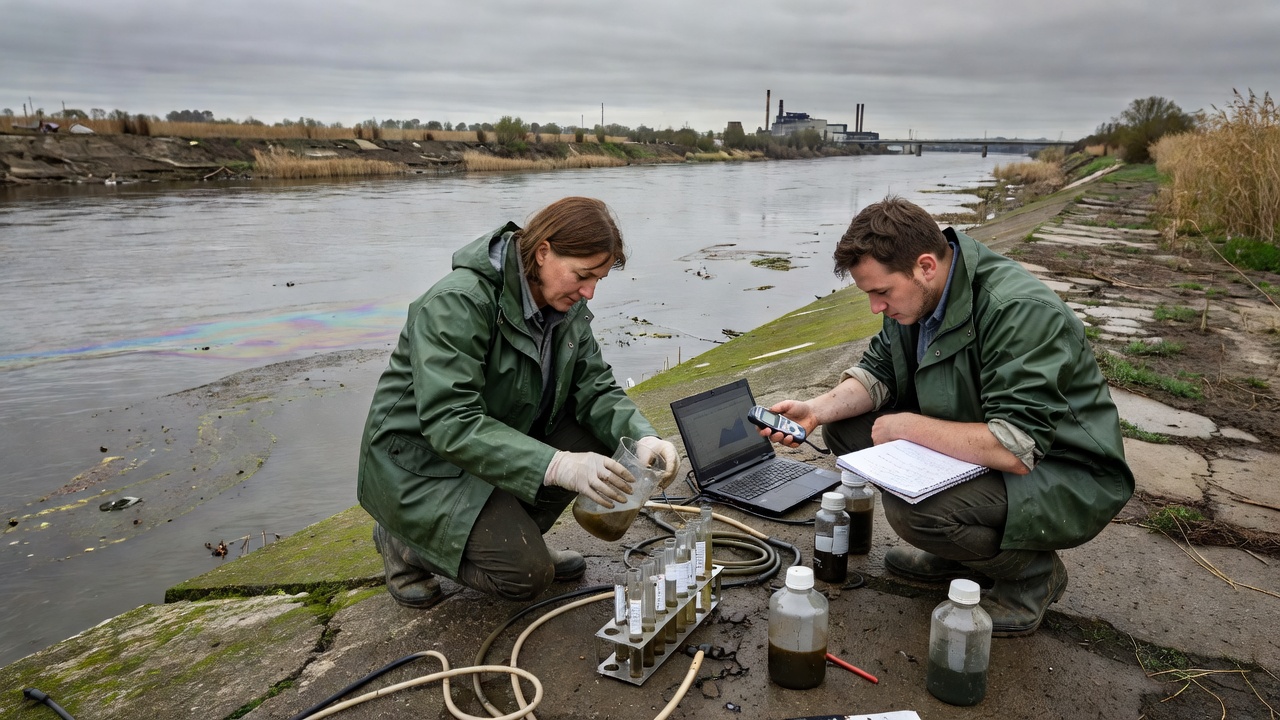
Recent monitoring by the Regional Environmental Institute shows contaminant levels in the Danuvia River Basin have risen 40 percent over five years. Water samples reveal higher concentrations of heavy metals, nitrates and industrial chemicals. The basin supports farms, towns and wildlife, yet these pollutants now threaten both ecological balance and public health. Officials warn that without intervention, drinking water supplies and irrigation systems could face long-term damage.
Key Sources of Pollution
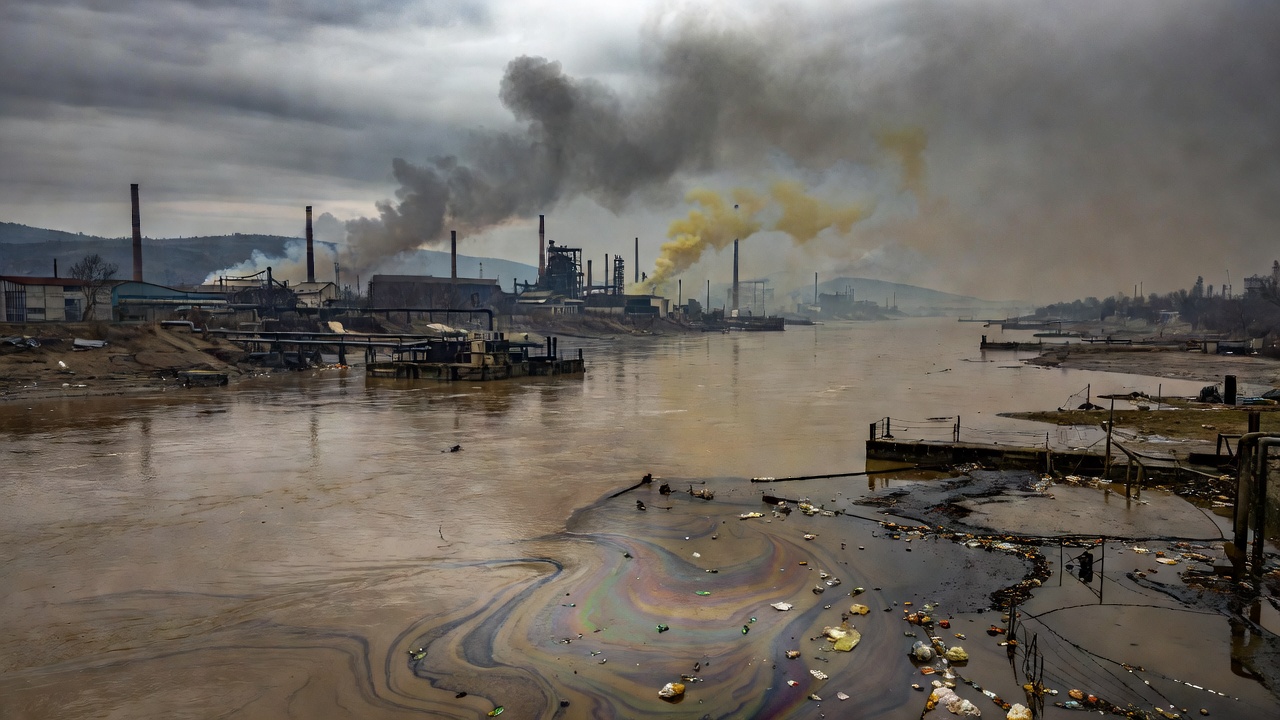
Industrial plants along the upper basin discharge untreated wastewater containing solvents and metals. Farms contribute through fertilizer and pesticide runoff that enters via drainage channels. Urban sewage infrastructure struggles with population growth, allowing plastics and organic waste to accumulate. Dry spells linked to shifting weather patterns concentrate these substances further. Enforcement of existing discharge permits remains inconsistent, allowing violations to persist.
Regional planners note that older treatment plants lack capacity for current waste volumes. New monitoring stations installed last year have improved detection but fines have not deterred repeat offenders. Agricultural cooperatives are testing buffer strips and precision application methods, yet adoption is slow.
Effects on Environment and Society
Fish stocks have declined sharply, reducing catches for local fisheries. Bird and mammal populations that depend on the river corridor show signs of stress. Health clinics report increased gastrointestinal cases in downstream villages where river water is still used for washing. Tourism revenue has dropped as visitors avoid discolored stretches. Economic losses for agriculture are mounting because irrigation water now requires extra filtration. Community organizations have petitioned for emergency funding to upgrade treatment works and restore riparian zones. Authorities plan pilot remediation projects next year but acknowledge that sustained investment will be required to reverse the trend.