Zoe Lang · 11 September 2026
Strategic Capital Inflows Fuel Danuvia's Innovation While Securing Ecological Integrity
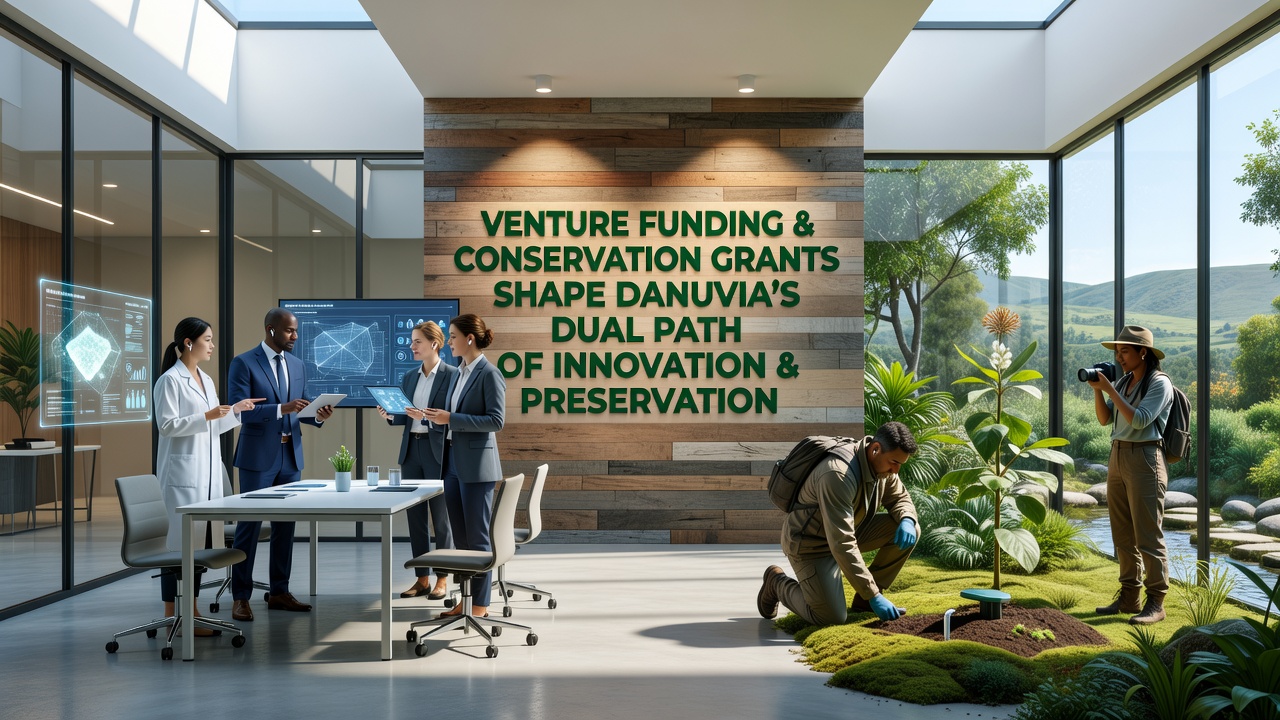
Danuvia has drawn substantial venture funding alongside targeted conservation grants in recent years, creating parallel tracks that advance technological development while protecting natural resources across the river basin region. Observers note that this combination allows local enterprises to pursue agri-tech advancements and environmental safeguards simultaneously, with capital flows documented through multiple channels since the early 2020s.
Venture Funding Trends in Danuvia
Private investors have directed resources toward startups focused on precision agriculture tools, water monitoring systems, and sustainable processing methods, with total commitments reaching notable levels by mid-2025. Data from regional economic reports indicate that these investments support companies developing sensor networks and AI-driven crop management platforms, while the funding structures often include milestone-based releases tied to both output metrics and environmental compliance standards. Those who've tracked the sector observe that venture rounds frequently pair with pilot programs in designated innovation zones along the Danuvia corridor, where new technologies undergo testing before wider deployment.
September 2026 marks the scheduled launch of a dedicated venture accelerator program backed by international partners, which will provide seed capital and mentorship to selected firms working on circular economy solutions. Researchers point to similar models in other European regions that have accelerated adoption rates for water-efficient irrigation systems and soil regeneration techniques, patterns that appear to be repeating in Danuvia based on preliminary project filings.
Conservation Grants Supporting Preservation Efforts
Public and philanthropic grants have funded habitat restoration projects, biodiversity monitoring initiatives, and buffer zone establishment along key waterways, with allocations drawn from EU-level programs and complementary national sources. Figures reveal that these grants have enabled the protection of several thousand hectares of riparian land, while also supporting research into native species recovery and pollution mitigation strategies. Experts have observed that grant requirements often mandate collaboration between conservation groups and agricultural operators, fostering integrated approaches that maintain productivity alongside ecological goals.
One study revealed that grant-supported wetland reconstruction efforts completed in 2024 led to measurable improvements in water quality indicators downstream, with follow-up assessments scheduled through 2027. The structure of these awards typically emphasizes long-term stewardship agreements, ensuring that preserved areas remain under protective management even as adjacent lands incorporate new technologies funded through separate investment streams.
Integration of Innovation and Preservation Pathways
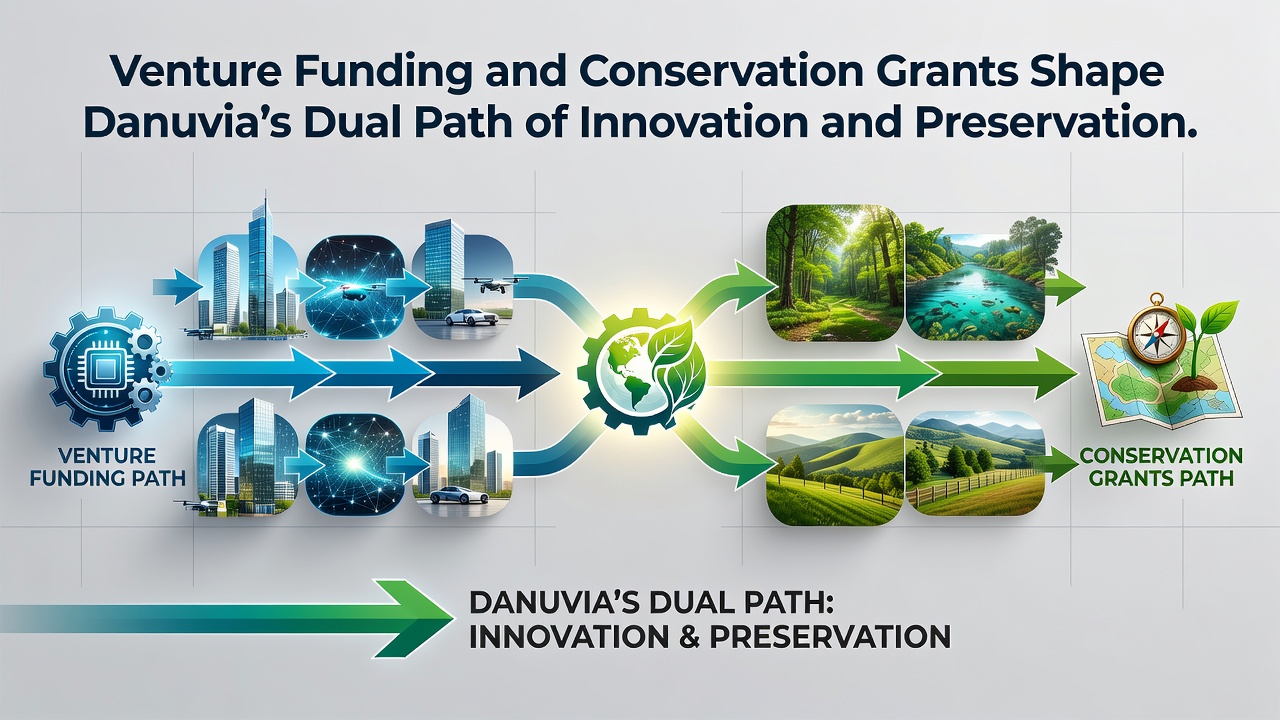
The dual funding streams intersect in projects that combine technological upgrades with environmental safeguards, such as automated irrigation systems installed in protected buffer zones or data platforms used for both yield optimization and habitat tracking. According to the European Commission environment reports, coordinated financing models like these have produced efficiency gains in comparable basins elsewhere in the EU, where resource use declined while output remained stable. People involved in Danuvia's planning note that such integration reduces conflicts between development and conservation priorities by aligning incentive structures from the outset.
Additional examples include joint ventures where grant-funded ecological surveys inform the design parameters for venture-backed processing facilities, ensuring that new infrastructure incorporates low-impact designs from the planning stage. Research indicates that these overlaps have increased project approval rates and shortened regulatory timelines in the region.
Looking Ahead to Coordinated Outcomes
Future phases will likely emphasize cross-sector data sharing and performance benchmarking, with stakeholders preparing frameworks that link venture performance metrics to conservation outcomes. Reports from the Environment and Climate Change Canada on analogous funding blends suggest that transparent tracking mechanisms can sustain momentum across multiple budget cycles. Observers anticipate that Danuvia's approach will continue to evolve as new capital rounds and grant opportunities align around shared regional objectives.
Conclusion
The interplay between venture funding and conservation grants has established distinct yet connected routes for Danuvia's development, with documented progress in both technological deployment and ecological protection. Continued coordination among investors, grant administrators, and local operators will determine how these paths advance in tandem through the coming years.